De transformatieve kracht van VR voor senioren
Onlangs hadden we het voorrecht om een VR-ervaring voor Suzuki te creëren tijdens een evenement met veel mensen die voor het eerst VR gebruikten. Als ervaren makers met kennis en ervaring in opkomende technologie, zijn wij heel gewoon met het gebruik van deze technologie. Maar we merkten dat andere, vooral oudere, generaties moeite hadden met het gebruik en de werking van de VR-bril, wat duidelijk maakt dat er nood is aan gebruiksvriendelijke oplossingen voor Virtual Reality voor Senioren.Dit bracht voor ons uitdagingen met zich mee, maar zorgde er ook voor dat hun eigen ervaring met VR niet optimaal was.
Laten we eerlijk zijn, een VR-headset voor de eerste keer opzetten kan ontmoedigend zijn, en dus vooral voor senioren die niet bekend zijn met technologie.
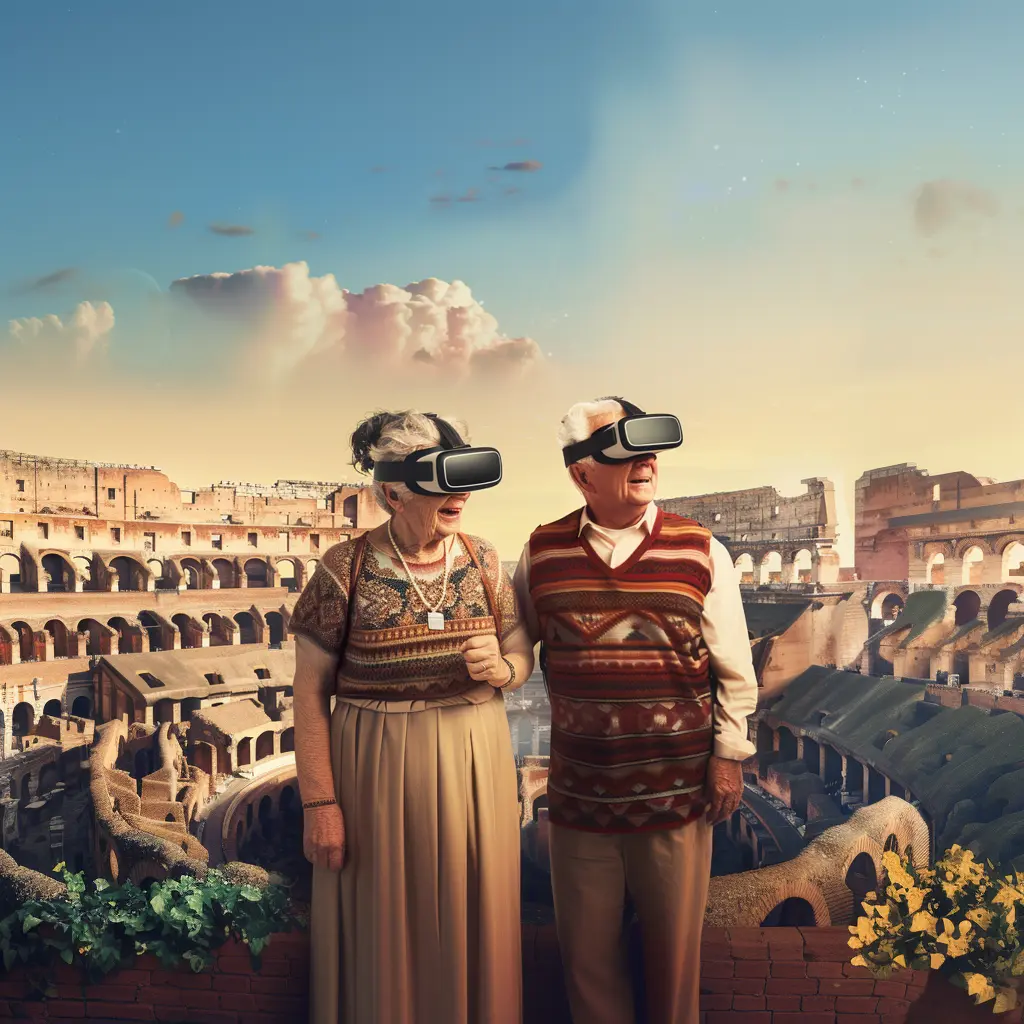
We delen graag de hindernissen die wij ervaarden met deze oudere generatie en VR en hoe we ze hebben aangepakt:
De taal van VR
Waar we eerst enthousiast begonnen met technische jargon en verbeeldende taal als ‘meeslepende ervaring’, merkten we dat dit geen snaar raakte. Dit gooiden we dus snel overboord om gebruik te maken van eenvoudige analogieën en herkenbare scenario’s om het potentieel van VR uit te leggen. Vanaf dat we spraken over het gevoel van ‘dat je er echt bent’ – op bezoek aan een kleinkind in het buitenland of het bijwonen van een concert – werd veel sneller duidelijk wat VR is.
Comfort en begeleiding
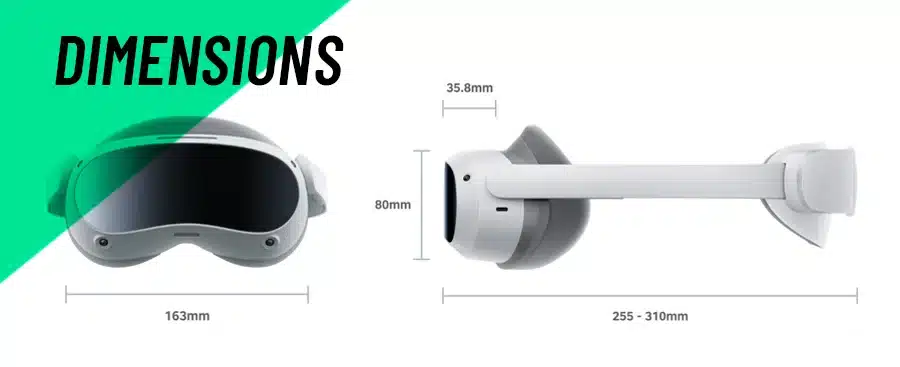
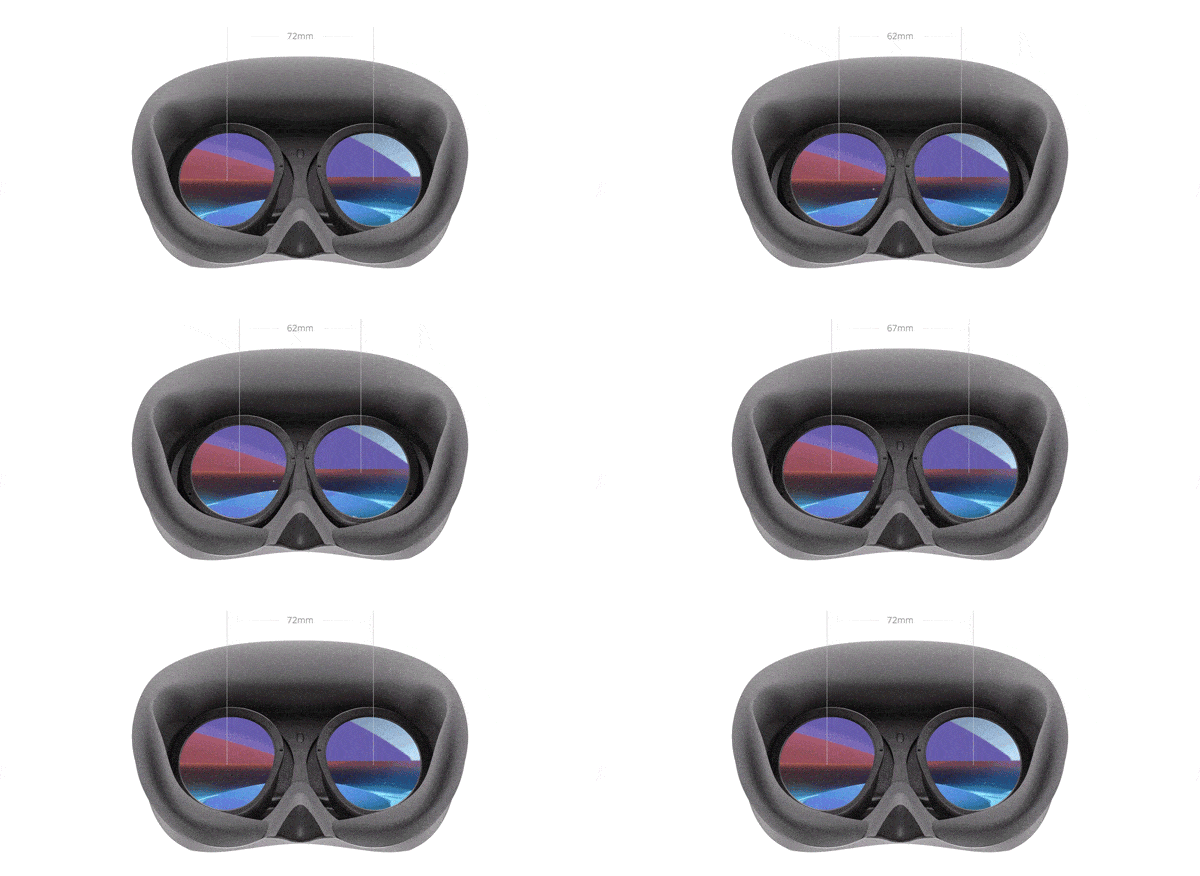
Een VR-headset kan overweldigend lijken qua uiterlijk. Hoe zet je zoiets op je hoofd? Wat gaat er gebueren als je je visie afsluit van de echte wereld en in zo’n gekke bril duikt? Om deze angsten weg te nemen, creëerden we een uitnodigende en ondersteunende omgeving. Allereerst kozen we voor de Pico 4, een headset met een zeer comfortabele hoofdband, wat zorgt voor een nauwsluitende en comfortabele pasvorm voor elke gebruiker, waardoor hoofdpijn en wazig zien worden voorkomen. Daarnaast begeleidden onze collega’s elke gebruiker geduldig en zorgden voor een comfortabele pasvorm van de VR-headset. Maar gelukkig moedigde ook het zien genieten van anderen een deelname aan.
De toegankelijkheid van de gehele ervaring
Onze VR-ervaring was ontworpen voor comfort en toegankelijkheid. Met een zittende positie die gebruikersbeweging minimaliseerde, creëerden we een inclusieve aanpak die ervoor zorgde dat iedereen kon deelnemen, ongeacht fysieke beperkingen. De virtuele wereld in de headsets was weliswaar vrij te verkennen, maar de bewegingsmogelijkheden waren beperkt. Dit om te zorgen voor een comfortabele ervaring en om te voorkomen dat gebruikers last kregen van misselijkheid of bewegingsziekte, wat vaak voorkomt bij VR-ervaringen.
Nu lukte het ons gelukkig om de hindernissen op te lossen, maar wat heeft VR nu eigenlijk voor voordelen voor deze oudere, senioren, generatie?
We zien vaak bingo en kaarten als traditionele activiteiten in veel seniorengemeenschappen, maar Virtual Reality (VR) zou een overvloed aan nieuwe mogelijkheden bieden voor het bevorderen van betrokkenheid en verbinding.
Stel je eens voor:
Senioren beginnen aan een meeslepende virtuele tour van de Chinese Muur, ervaren het frisse bergzicht en de grootsheid van zijn oude architectuur. Degenen met onbelemmerde mobiliteit kunnen zelfs kiezen voor een virtuele wandeling naar zijn top, waardoor het ervaringsaspect verder wordt versterkt. Of misschien gaan de geschiedenisliefhebbers op in een boeiende Virtual Reality trivia-avond, gesitueerd in de bruisende straten van het oude Rome, waarin interactie is met historische figuren en door de virtuele stadsgezichten wordt gelopen.
Dit zijn slechts een paar voorbeelden van hoe VR betrokkenheid kan aanwakkeren en verbindingen binnen seniorengemeenschappen kan voeden.
Rendever in de VS
In de VS wordt al gebruik gemaakt van Rendever. Dit platform faciliteert live, interactieve VR sociale evenementen voor senioren, inclusief trivia-avonden, dansfeesten en zelfs virtuele museumtours. Deelnemers interacteren en socialiseren binnen boeiende virtuele omgevingen, bestrijden isolatie en bevorderen hun mentale welzijn. Een mooi voorbeeld van het transformatieve potentieel van VR voor seniorenbetrokkenheid. Door de VR technologie te omarmen, kunnen we unieke en betekenisvolle ervaringen ontwikkelen die:
- Sociale interactie bevorderen en eenzaamheid bestrijden
- Cognitieve functie en geheugen stimuleren
- Educatieve kansen en culturele verkenning bieden
- Algeheel welzijn en levenskwaliteit verbeteren
Hoe kun je VR/XR gebruiken om je seniorengemeenschap te betrekken, te onderwijzen en te betoveren?
Begin klein en focus op gebruikerservaring: Kies bij de leeftijd passende en toegankelijke ervaringen en bied voldoende ondersteuning en begeleiding.
Benadruk de voordelen: Laat zien hoe Virtual Reality het fysiek en mentaal welzijn kan verbeteren, isolatie kan tegengaan en nieuwe leermogelijkheden kan bieden. Je bent nooit te oud om te leren!
Werk samen met experts: Werk samen met VR-bedrijven en organisaties die ervaring hebben met het werken met senioren.
Omarm de funfactor: Onthoud dat VR leuk moet zijn! Kies ervaringen die nieuwsgierigheid opwekken, lachen aanmoedigen en blijvende herinneringen creëren.
Door uitdagingen te overwinnen en te focussen op het potentieel, kan VR/XR een waardevol hulpmiddel worden om het leven van senioren te verrijken en levendige, verbonden gemeenschappen te bevorderen. Wil je meer weten over wat we kunnen doen in de wereld van VR? Neem dan contact met Phil & Flo.