

The transformative power of VR for seniors
Recently, we had the privilege of creating aVR experience for Suzuki during an event with many people using VR for the first time. As experienced creators with knowledge and expertise in emerging technology, we are very much at home with using this technology. But we noticed that other, particularly older, generations struggled with using and operating the VR headset, which makes it clear that there is a need for user-friendly solutions for Virtual Reality for Seniors. This presented challenges for us, but also meant that their own experience with VR was not as good as it could have been.
Let's be honest, putting on a VR headset for the first time can be daunting, and especially so for seniors who are not familiar with technology.
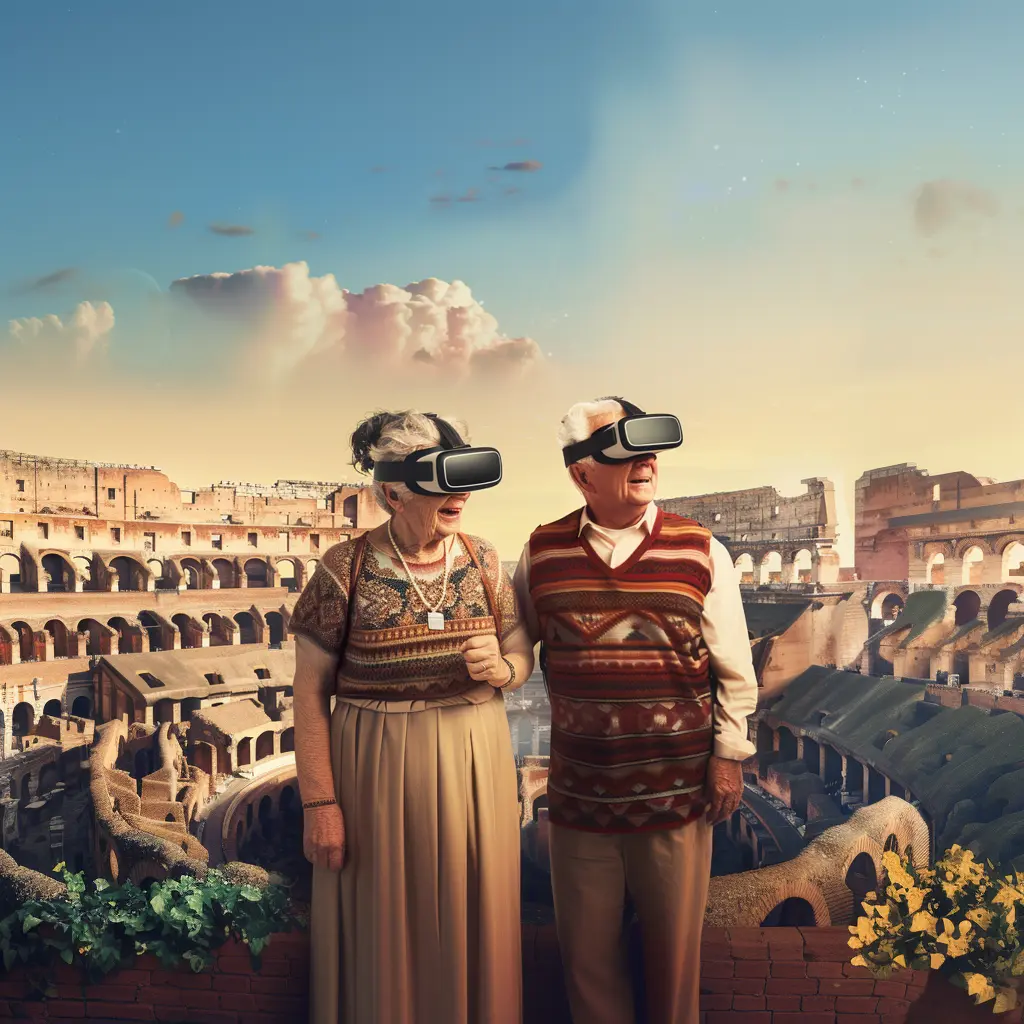
We are happy to share the obstacles we encountered with this older generation and VR, and how we tackled them:
The language of VR
Where we initially started enthusiastically with technical jargon and imaginative language such as 'immersive experience', we noticed that this did not strike a chord. We quickly threw this overboard in favour of using simple analogies and relatable scenarios to explainthe potential of VR Once we started talking about the feeling of 'actually being there' – visiting a grandchild abroad or attending a concert – it became much clearer much more quickly what VR actually is.
Comfort and guidance
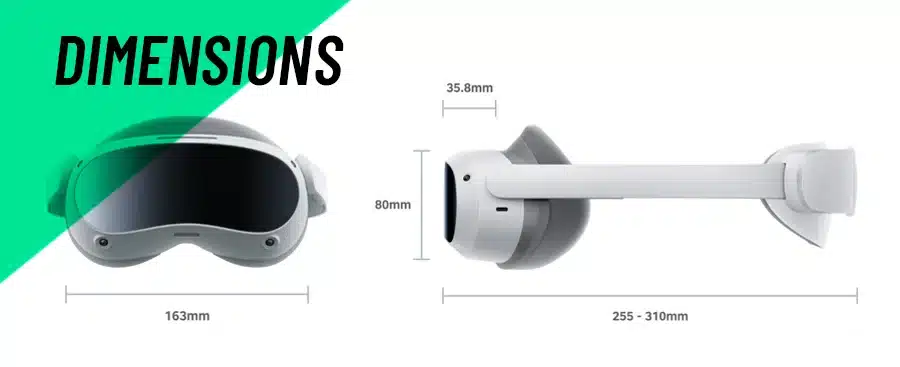
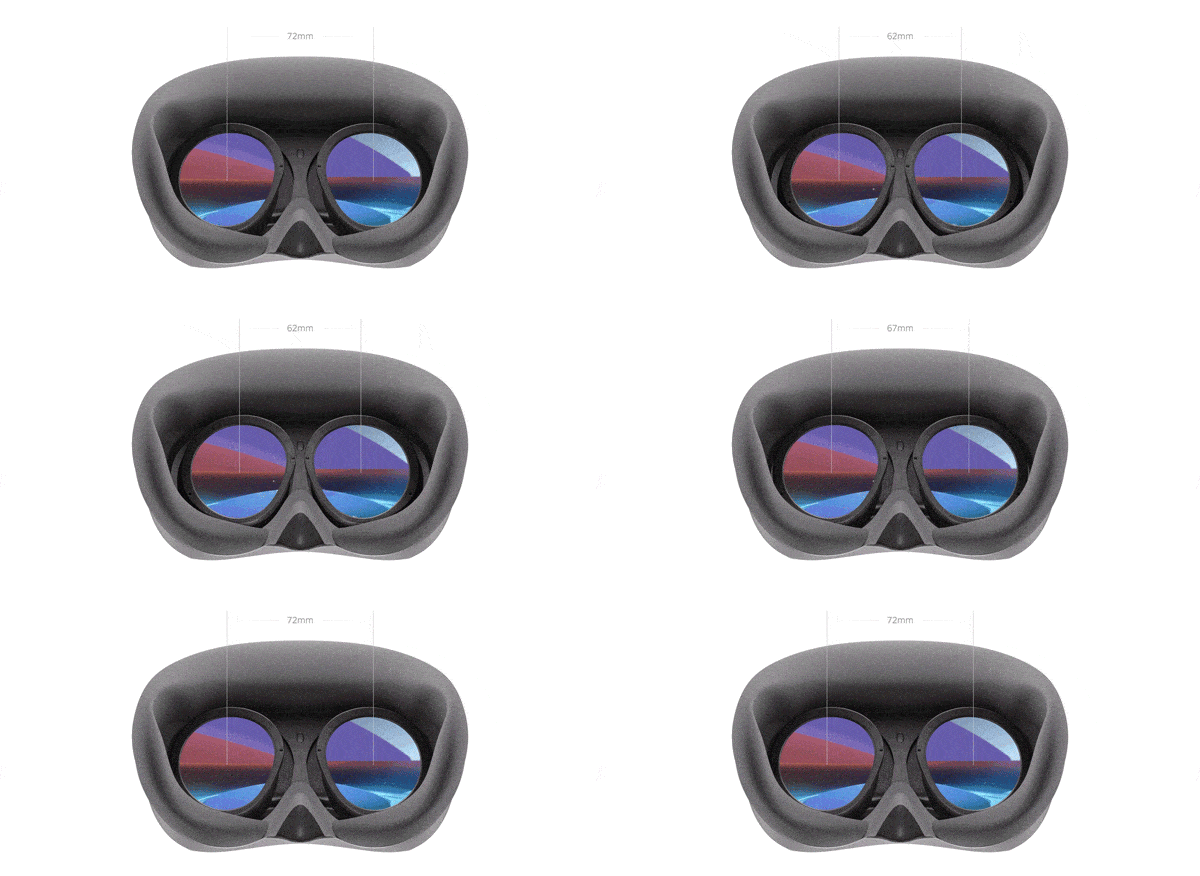
A VR headset can seem overwhelming in terms of appearance. How do you put something like that on your head? What will happen when you shut off your vision from the real world and dive into such a peculiar pair of goggles? To put these fears to rest, we created a welcoming and supportive environment. First of all, we opted for thePico 4, a headset with a very comfortable head strap, which ensures a snug and comfortable fit for every user, preventing headaches and blurred vision. In addition, our colleagues patiently guided each user and ensured a comfortable fit of the VR headset. Fortunately, seeing others enjoying themselves also encouraged participation.
The accessibility of the overall experience
Our VR experience was designed for comfort and accessibility. With a seated position that minimised user movement, we created an inclusive approach that ensured everyone could take part, regardless of physical limitations. The virtual world within the headsets was free to explore, but movement options were limited. This was to ensure a comfortable experience and to prevent users from suffering from nausea or motion sickness, which is a common occurrence in VR experiences.
Fortunately, we managed to overcome the obstacles, but what are the actual benefits of VR for this older, senior, generation?
We often see bingo and cards as traditional activities in many senior communities, but Virtual Reality (VR) could offer a wealth of new possibilities for fostering engagement and connection.
Just imagine:
Seniors embarking on an immersive virtuele tour of the Great Wall of China, experiencing the fresh mountain views and the grandeur of its ancient architecture. Those with unrestricted mobility could even choose a virtual walk to its summit, further enhancing the experiential aspect. Or perhaps history enthusiasts immerse themselves in a captivating Virtual Reality trivia evening, set in the bustling streets of ancient Rome, interacting with historical figures and strolling through virtual cityscapes.
These are just a few examples of how VR can spark engagement and nurture connections within senior communities.
Rendever in the US
In the US, use is already being made ofRendever. This platform facilitates live, interactive VR social events for seniors, including trivia evenings, dance parties, andeven virtual museum tours. Participants interact and socialise within engaging virtual environments, combating isolation and promoting their mental wellbeing. A fine example of the transformative potential of VR for senior engagement. By embracing VR technology, we can develop unique and meaningful experiences that:
- Promote social interaction and combat loneliness
- Stimulate cognitive function and memory
- Provide educational opportunities and cultural exploration
- Improve overall wellbeing and quality of life
How can you use VR/XR to engage, educate, and enchant your senior community?
Start small and focus on user experience: Choose experiences that are appropriate for the age group and accessible, and offer plenty of support and guidance.
Highlight the benefits: Show how Virtual Reality can improve physical and mental wellbeing, combat isolation, and provide new learning opportunities. You're never too old to learn!
Collaborate with experts: Work together with VR companies and organisations that have experience working with seniors.
Embrace the fun factor: Remember that VR should be fun! Choose experiences that spark curiosity, encourage laughter, and create lasting memories.
By overcoming challenges and focusing on the potential,VR/XR can become a valuable tool for enriching the lives of seniors and fostering vibrant, connected communities. Would you like to find out more about what we can do in the world of VR? Then get in touch with Phil & Flo.